
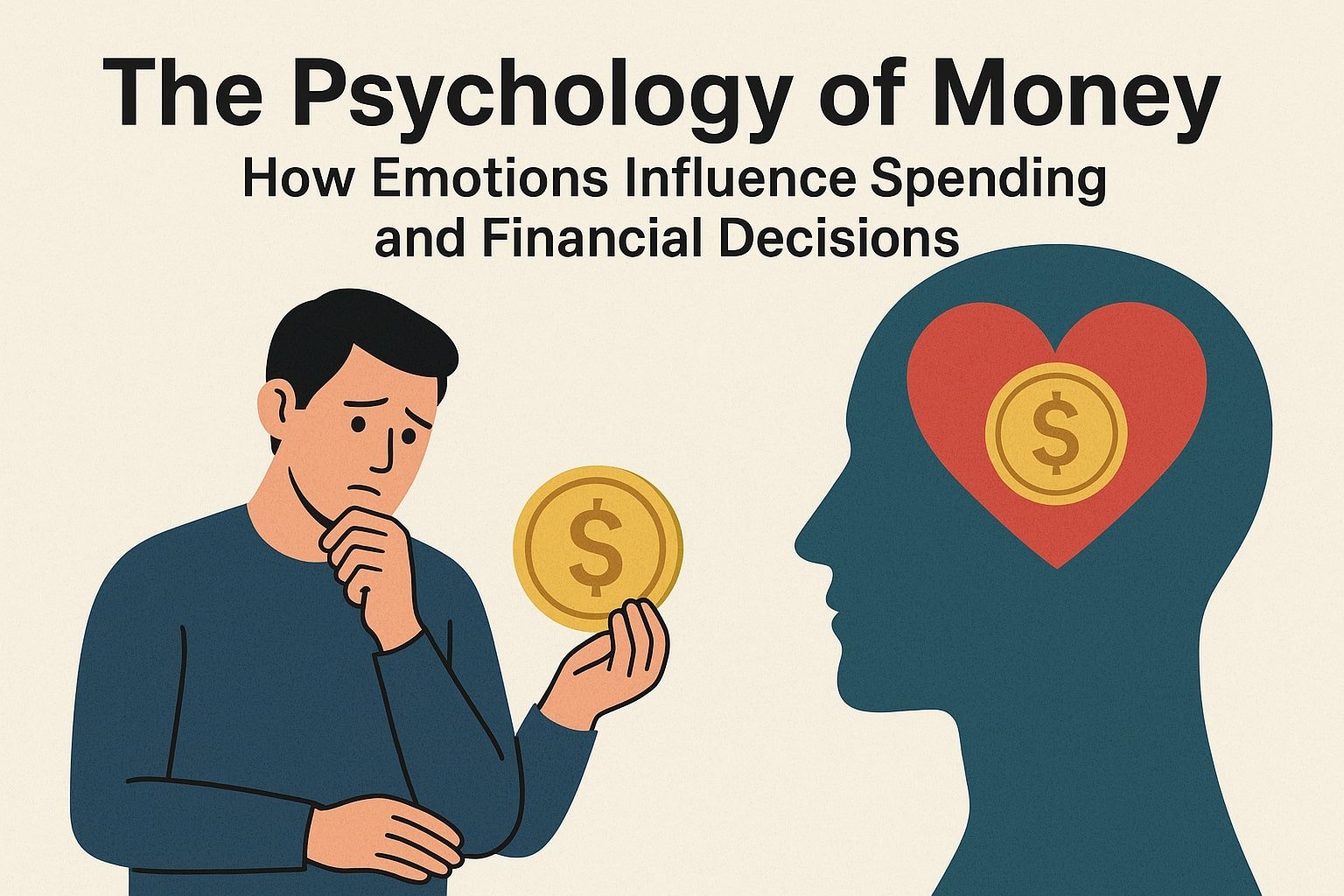
Money is not only a tool for transactions; it’s miles deeply intertwined with human emotions, behaviors, and selection-making. How we understand, control, and spend money is frequently motivated extra via psychological elements than via logical reasoning. Know-how the emotional drivers at the back of economic picks is critical for attaining monetary stability, averting impulsive spending, and making informed decisions that aid lengthy-time period wealth. For lots people, the hyperlink among feelings and cash can give an explanation for why they overspend, beneath-save, or make funding decisions which might be inconsistent with their dreams.
How feelings affect spending
Emotions play a significant function in economic behavior. Happiness, pressure, anxiety, boredom, and social pressures can all pressure spending patterns. As an example, emotional spending frequently takes place whilst people are looking for immediately gratification or remedy from bad emotions. Retail therapy, impulsive purchases, and pointless subscriptions are commonplace manifestations of emotionally driven spending.
Conversely, worry and anxiety about the future can result in overly careful monetary conduct, including averting investments, hoarding coins, or delaying essential purchases. Each extremes—impulsive spending and immoderate warning—can undermine monetary nicely-being. Spotting emotional triggers is the first step in managing cash more correctly. Monitoring spending conduct and reflecting on feelings associated with purchases can monitor styles and help individuals make more rational alternatives.
Social impacts also impact economic decisions. Peer stress, life-style comparisons, and societal expectations can prompt people to spend past their approach to hold popularity or appearance. Advertising and marketing strategies and commercials often exploit emotional vulnerabilities, encouraging clients to make purchases based on choice rather than necessity. Focus of these influences can empower people to make aware spending selections aligned with their values and desires.
The function of monetary conduct and attitude
Monetary behavior are often rooted in early reviews and ideals approximately cash. Youth reviews, own family attitudes, and cultural norms shape how people perceive wealth, saving, and spending. For example, developing up in a family in which money became scarce may instill frugality or financial anxiety, even as an upbringing in a financially ample surroundings ought to inspire confidence or danger-taking.
Attitude performs a pivotal function in how feelings have an effect on cash control. A scarcity mindset, where individuals worry jogging out of cash, can cause hoarding, strain, and avoidance of investments. In evaluation, an abundance attitude encourages strategic threat-taking, funding in possibilities, and a proactive technique to financial increase. Developing a balanced financial mindset involves expertise private beliefs, tough unhelpful notion patterns, and cultivating a feel of manage over one’s finances.
Constructing fantastic monetary conduct—which include budgeting, computerized saving, and disciplined making an investment—can mitigate the affect of emotions. Those practices create shape, lessen impulsive conduct, and align day-to-day selections with long-term monetary dreams. Through the years, behavior reinforce rational selection-making and make stronger emotional resilience in financial topics.
Strategies to manipulate emotional spending
Handling emotional spending requires deliberate techniques that address both psychological triggers and sensible economic conduct. First, create a sensible finances that allocates budget for necessities, financial savings, investments, and discretionary spending. Knowing that price range are precise for specific functions reduces guilt or anxiety related to spending.
2nd, implement a “cooling-off” period earlier than important purchases. Ready 24 to seventy two hours lets in time for reflection and decreases impulsive choices driven by means of emotion. At some stage in this time, compare whether the purchase aligns with your financial desires or actually satisfies a temporary emotional need.
Tracking spending and preserving a economic journal can also be fairly powerful. Recording every buy, at the side of the emotional nation at some stage in the transaction, allows identify patterns and triggers. This consciousness is the first step in the direction of consciously controlling spending habits and making intentional financial decisions.
Aware spending techniques, including prioritizing fee over cost, that specialize in experiences as opposed to fabric items, and distinguishing among wants and needs, further lessen emotional spending. Coupled with computerized savings and investment plans, those strategies create a gadget that encourages long-term wealth constructing while minimizing impulsive behavior.
Lengthy-term blessings of emotional attention in finance
Expertise the psychology of cash has profound lengthy-time period blessings. Emotional recognition fosters better budgeting, saving, and investing practices. It reduces monetary stress, prevents useless debt, and permits for rational selection-making even for the duration of uncertain instances.
By using addressing the emotional components of cash, individuals can domesticate financial resilience. This resilience helps achieving goals which includes homeownership, retirement planning, wealth accumulation, and monetary independence. Coaching monetary literacy and emotional consciousness to own family individuals, mainly children, facilitates create a subculture of accountable economic conduct and lengthy-term wealth renovation.
Monetary making plans, blended with emotional intelligence, strengthens each short-term stability and lengthy-term increase. Spotting the interaction between money and feelings guarantees that monetary decisions are intentional, values-driven, and sustainable. Over the years, people increase confidence in handling sources, lessen tension associated with economic uncertainties, and create a foundation for generational economic well-being.
The psychology of money highlights the profound connection between emotions and economic behavior. By way of understanding emotional triggers, building fantastic habits, and enforcing techniques to manipulate spending, individuals can acquire extra financial balance and long-term wealth. Awareness, mindfulness, and field rework money from a source of pressure right into a tool for empowerment, security, and personal boom.
Cần link 188bet mới nhất hả? Link188betmoinhat là chuẩn bài rồi! Chơi mượt mà, không lo bị chặn. Anh em vào chiến thôi! Check out link188betmoinhat
Metabcr? Yeah, I’ve heard some buzz about them. Might be worth checking out for some fresh gaming experiences. metabcr
Heard V88club throws a decent party, gaming-wise. Worth a peek if you’re looking for a new spot to chill and maybe win a bit. v88club
1pra1 bet, huh? Sounds like a place to throw down a few wagers. Hope the odds are good! Gotta check it out myself. 1pra1 bet
Betanocomlogin gets you right where you need to be fast! No messing around just login quickly and get to those wins. Check them out at betanocomlogin
For all my Asian gaming buddies, W88link is a solid option for sports betting and casino games. The interface is easy to navigate, and they have some great promotions happening all the time. Peep this: w88link
Just surfing around and encountered 1777sz. It’s a web page with random stuff. Look for it here: 1777sz